
We care about people and our planet.
We value long-term relationships with our suppliers, as well as 100% respect for human rights for all the people, that put an effort into bringing our quality garments to you.
Learn more about how a Serendipity garment is brought to life and the dedicated human effort below.
Organic Cotton Fibers
Baby Alpaca & Llama Wool
Organic Merino Wool
Organic Cotton Fibers
Our cotton garments are produced in India and are certified according to GOTS (Global Organic Textile Standard), from the cotton fields all the way through the processes of spinning, dying, weaving, knitting, stitching, finishing, packing and transporting.
Organically farmed cotton employs nature-based solutions to manage pests and build healthy soil, in contrast to the synthetic pesticides, herbicides, defoliants, fertilizers, and GMO seeds used to grow conventional cotton.
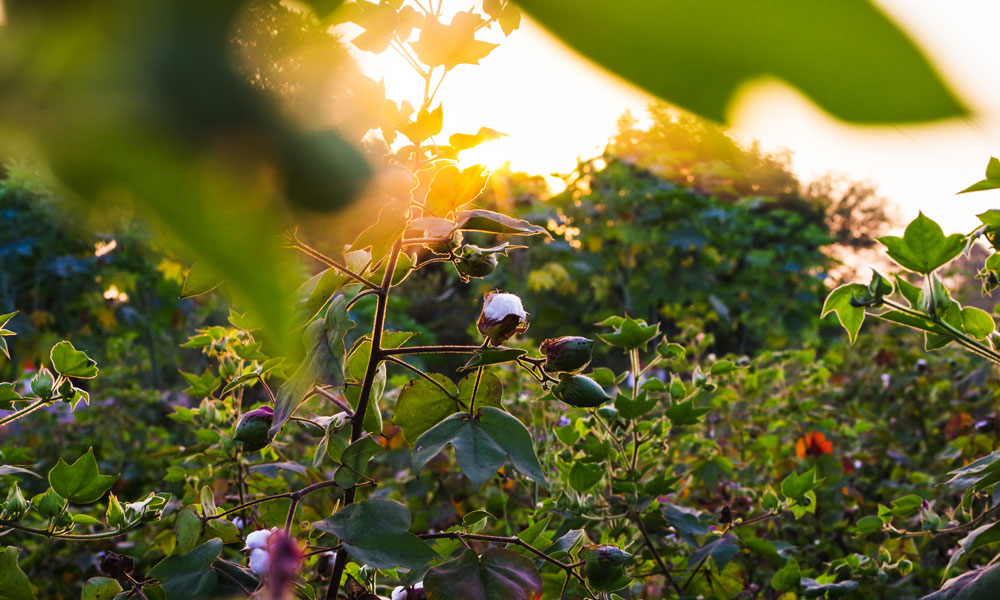
Farming organically means farming without chemicals and handpicking the cotton balls. This results in cotton fields with other plants, too. It is the natural way of farming, and you see no strict lines of planting and no unnaturally gigantic cotton bulbs. This enables the farmers to use the same plants year after year, as plants are not ruined by machines and “fatigued” by chemicals.
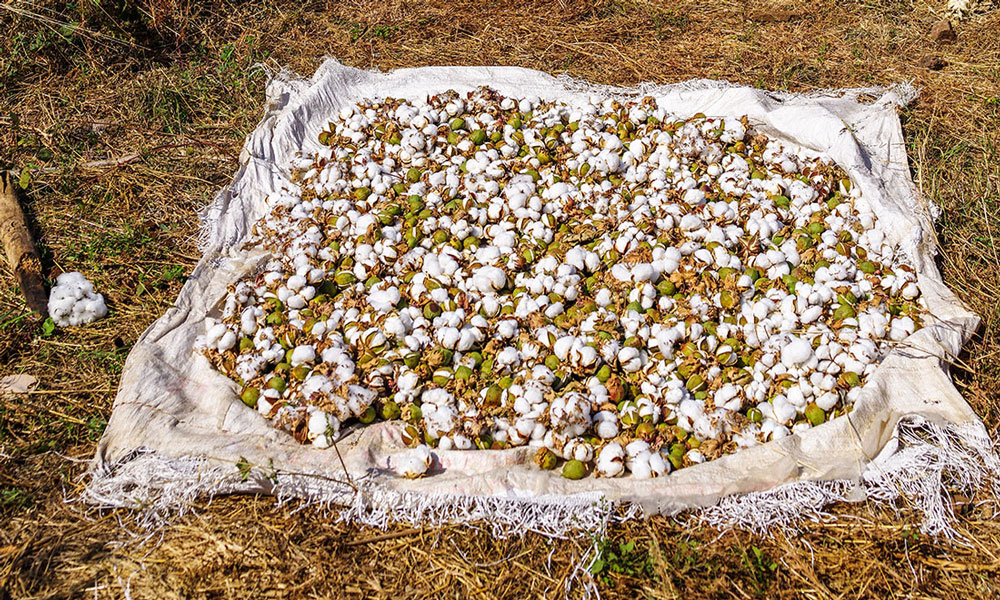
The organic cotton fields are owned by local family farmers, who hand over their harvest to the mill. For these organic farmers, there are many advantages to organic farming. First and foremost are the economic benefits. They save on expensive fertilizers, are paid more for their cotton, do not need to buy new plants every season, and finally, their soil is never exhausted by over-farming and chemicals.
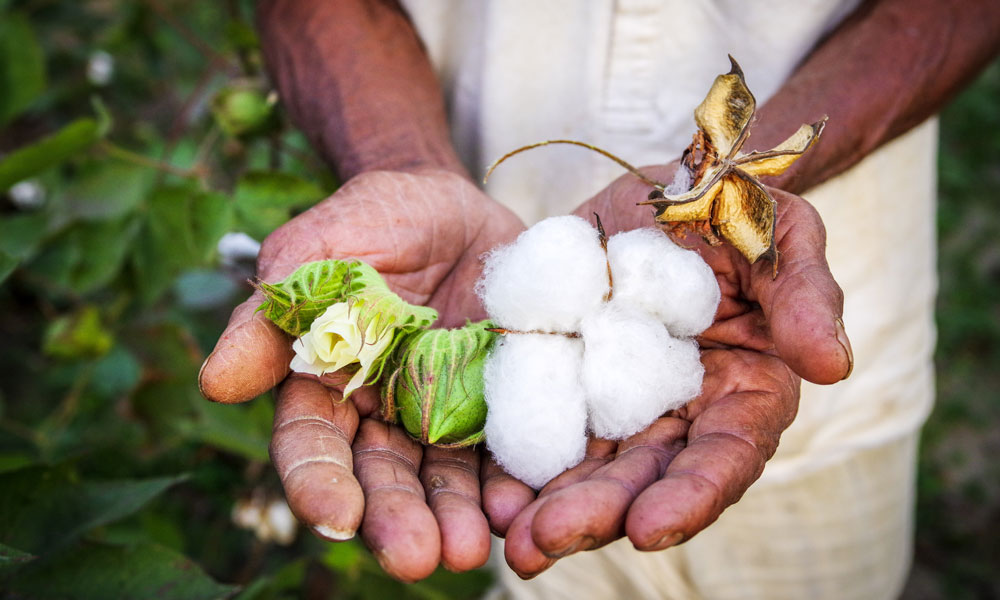
The cotton plant begins as a seed, turns into a flower, and dries into a cotton bulb.
Strict waste water treatment practices are also required in all phases of production, in order not to pollute the water and environment surrounding the textile production. Good for our water, planet, and people.
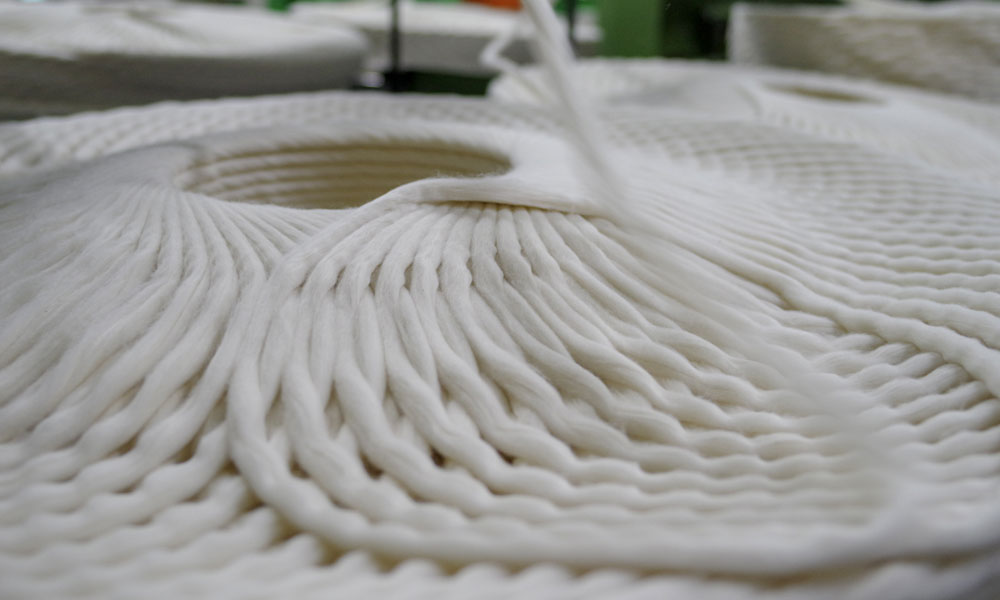
Textile production - the process of cleaning, spinning, dying, weaving, and knitting – is done without the harmful chemicals usually involved in the production of conventional cotton textiles. This means that no formaldehyde, azo dyes, heavy metals, phthalates, chlorophenol, PVC, chlorine, nickel, etc. ever touch our cotton. Discharge printing and special washes (mostly used for denim), are also not allowed.
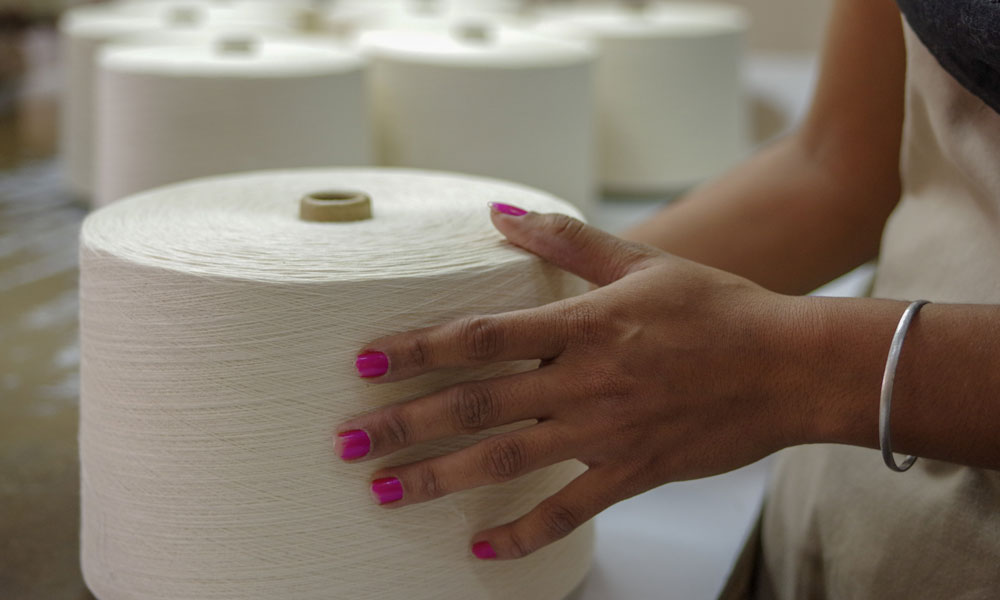
Social and economic welfare among the people involved in cotton farming and the production of textiles and garments is truly important. It is breathtaking to try to understand how many hands have touched the clothing that we wear every day.
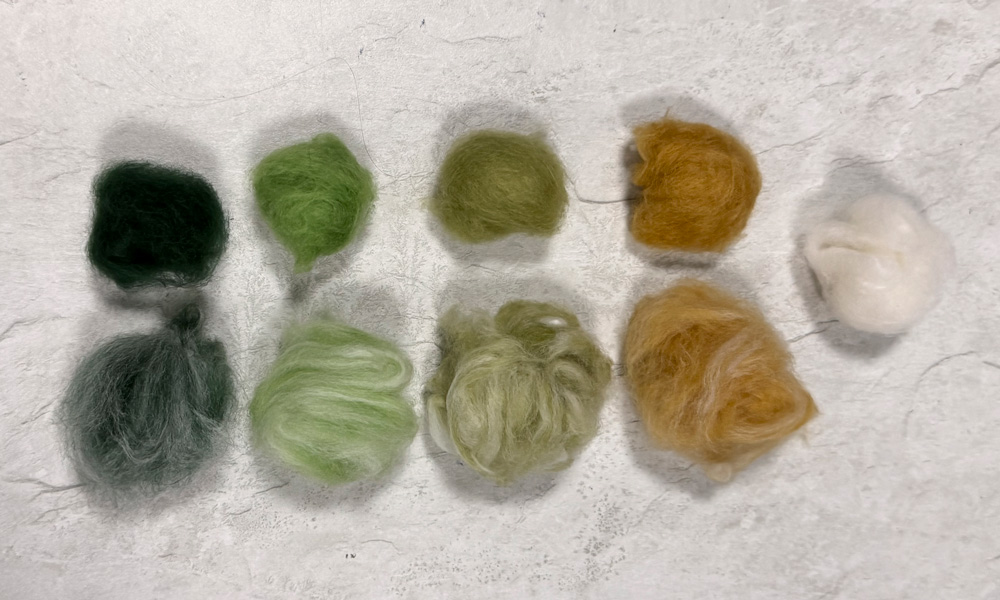
We love softness! Each season, we produce new colours of melange yarns for our ribs, velours and other knitted textiles.
Melange means a mix of colours that blend into a nice and rich colour. When we make a melange yarn, we dye the cotton bulbs in different colours, then mix them, comb them, and spin them. This gives a playful deep, long-lasting colour and an incredible softness.
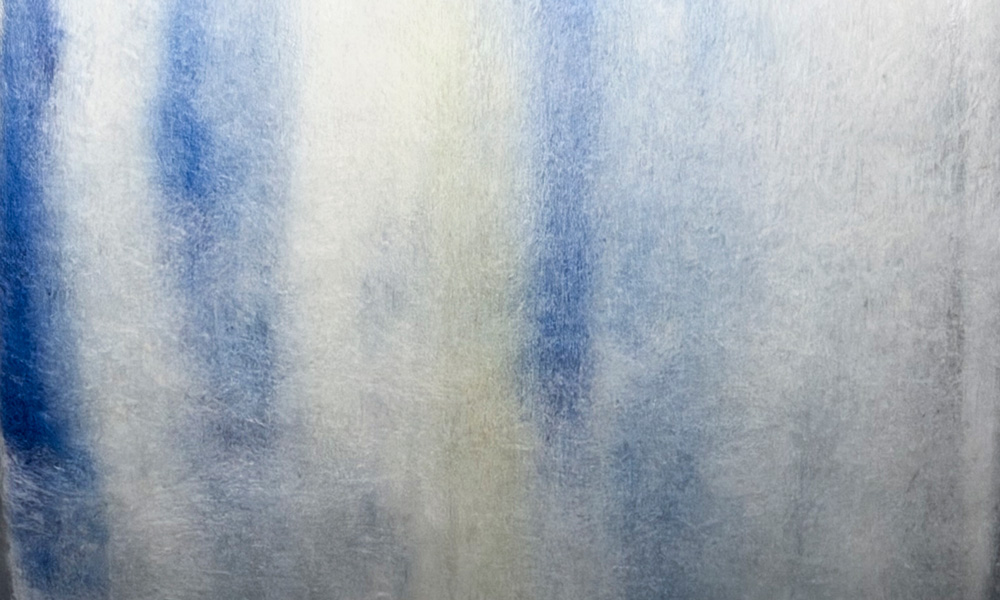
The garment cutting, stitching, steaming, and packing is, of course, a very important part of the making of organic and clean products. We only work with factories that produce with organic cotton, ensuring that no contamination is possible and that no chemicals are used in the washing and finishing of any garment, before it is packed safely to undertake its long journey to happy use by you.
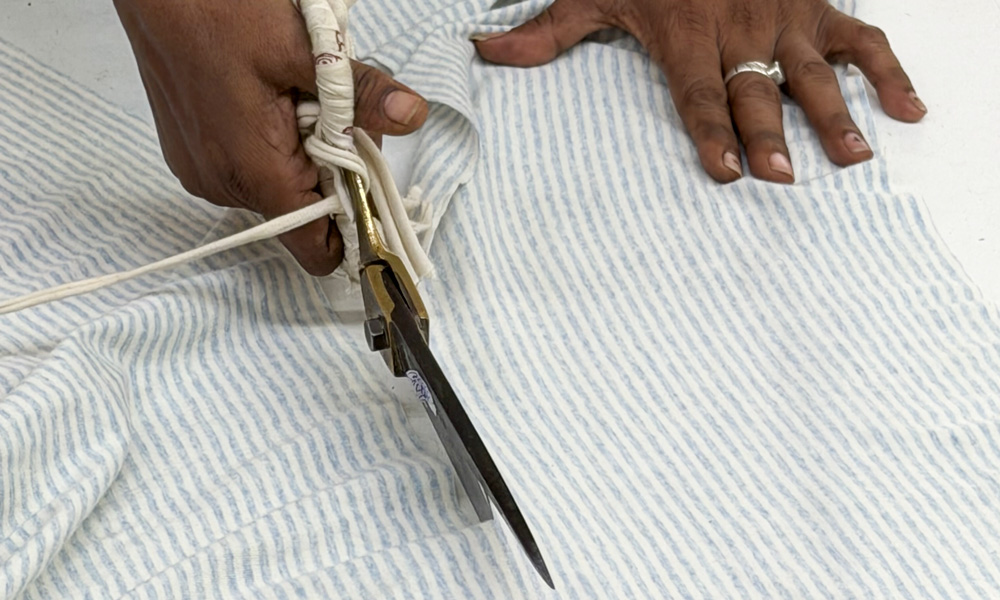
We only work with factories that produce with organic cotton, ensuring that no contamination is possible and that no chemicals are used in the washing and finishing of any garment, before it is packed safely to undertake its long journey to happy use by you.
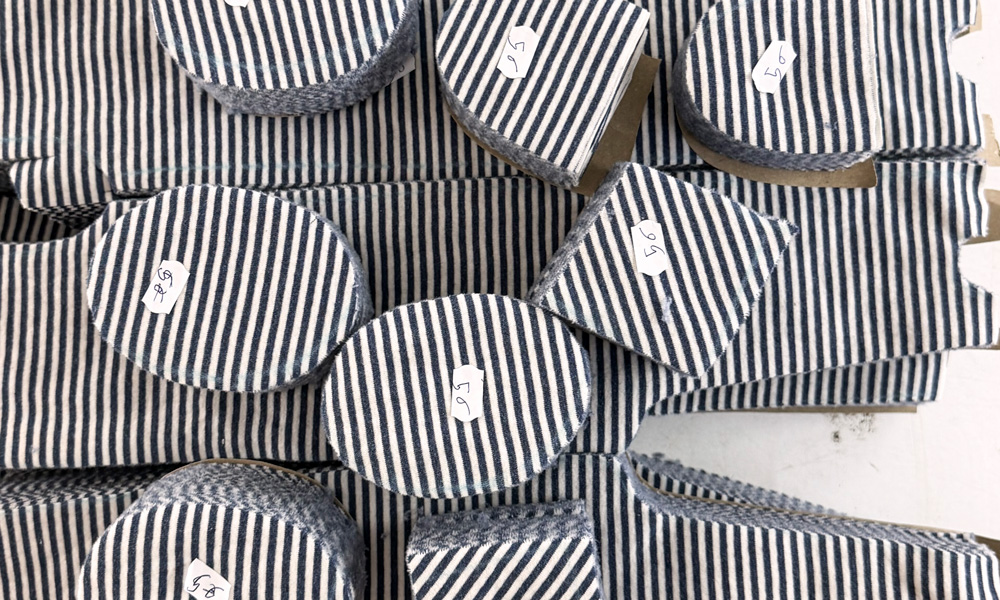
We believe in fair and basic social values, including fair wages, freedom of association, fair working hours, offer of regular employment, safe and hygienic work conditions, non-discrimination, and, of course, no use of child labour.
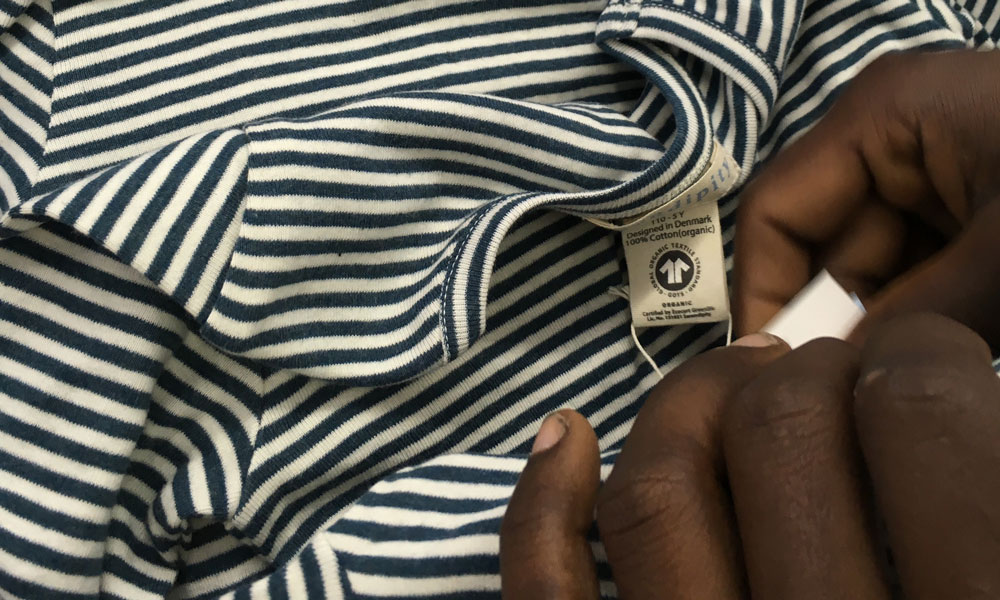
All of these and many more social compliances are included in GOTS.
Baby Alpaca & Llama Wool
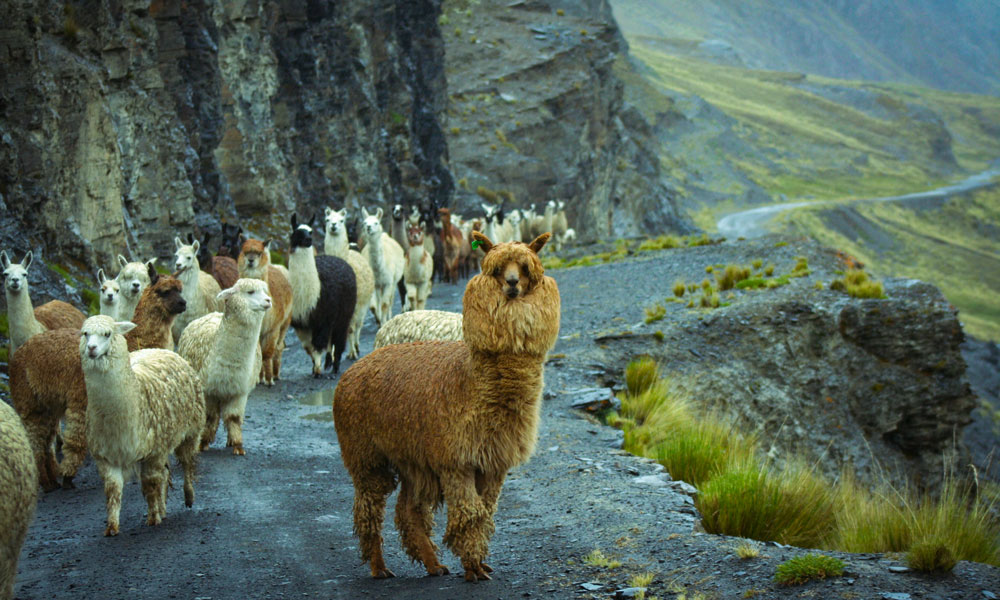
Each season, we design a special collection in Baby Alpaca Wool and Llama Wool or Llama Wool/Silk.
These wool fibers are known for their softness, warmth, and light weight. They contain no lanolin, which is what makes sheep wool itchy. No lanolin means allergy friendliness for your skin.
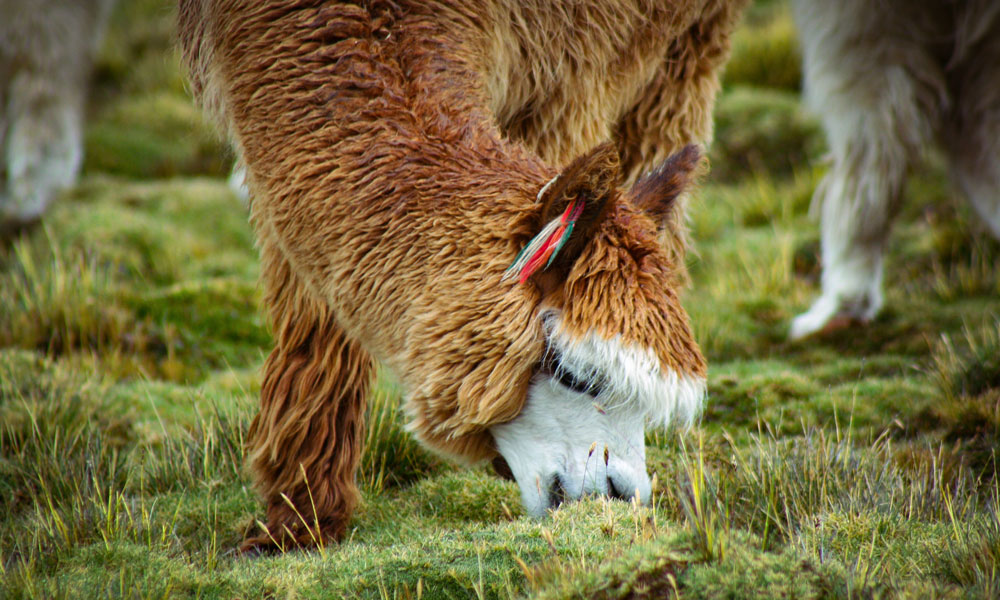
The wool fibers come from alpacas and llamas in Bolivia and Peru. The alpacas and llamas live 4,000 meters above sea level in the unspoiled Andes Mountains, making fibers as close to naturally organic as can be.
The Alpaca wool we use for our sweaters is called Baby Alpaca. Alpaca wool is divided into four categories of quality – the finest and softest selection is what they call Baby Alpaca.
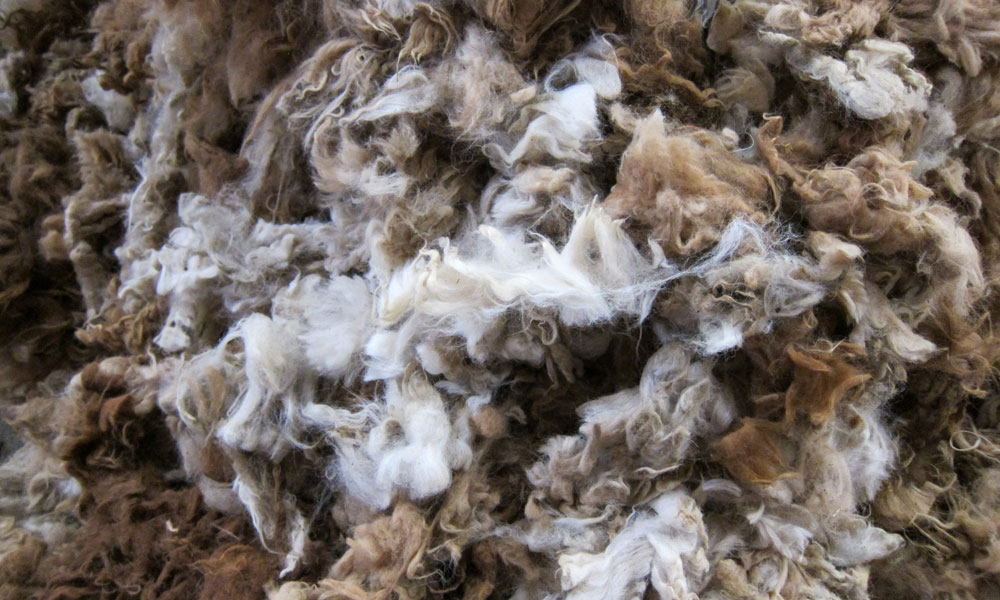
Llamas are a little bit larger than alpacas, and their wool can be a bit rougher. This is the reason that Llama wool used is dehaired, meaning that all the rough fibers from the wool is "combed” away, leaving the softest and lightest fibers for the spinning of the yarn.
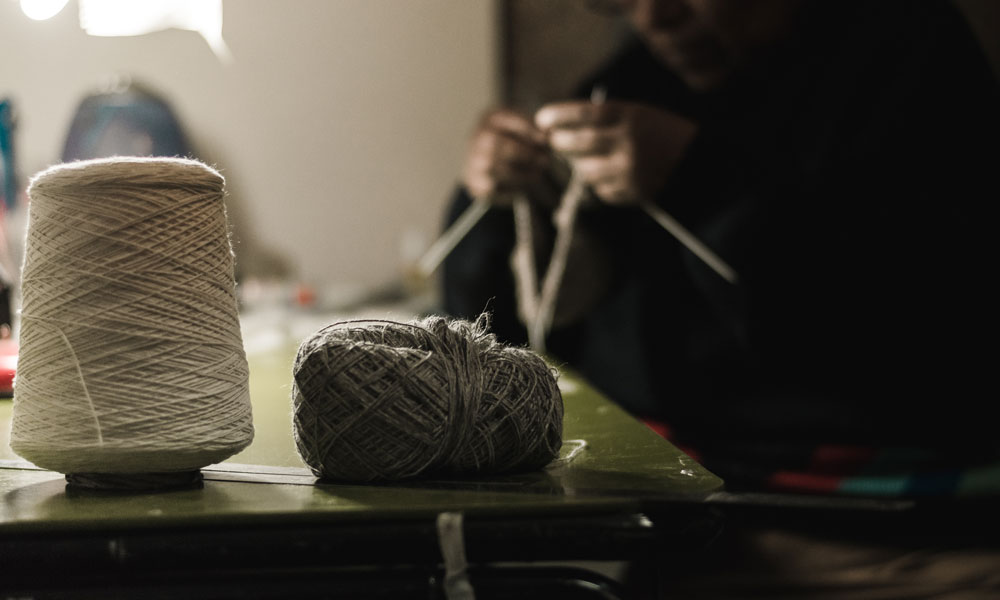
In these wools, we often use melange colour blending to get rich colours.
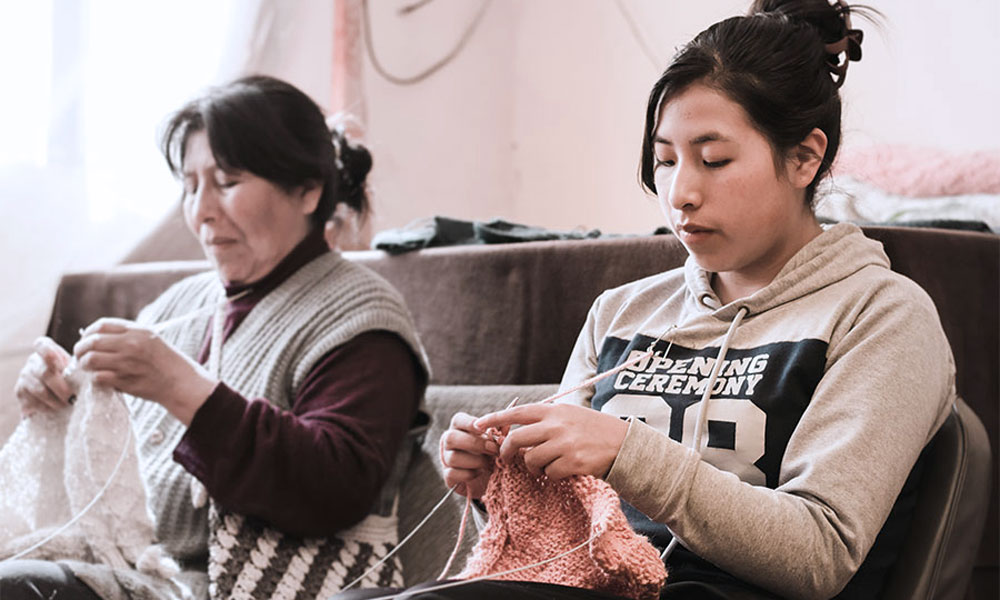
The sweaters are semi-handknitted or handknitted in La Paz, Bolivia by women and men who are all knitters by family tradition. They knit in their homes, often in groups, while taking care of their children.
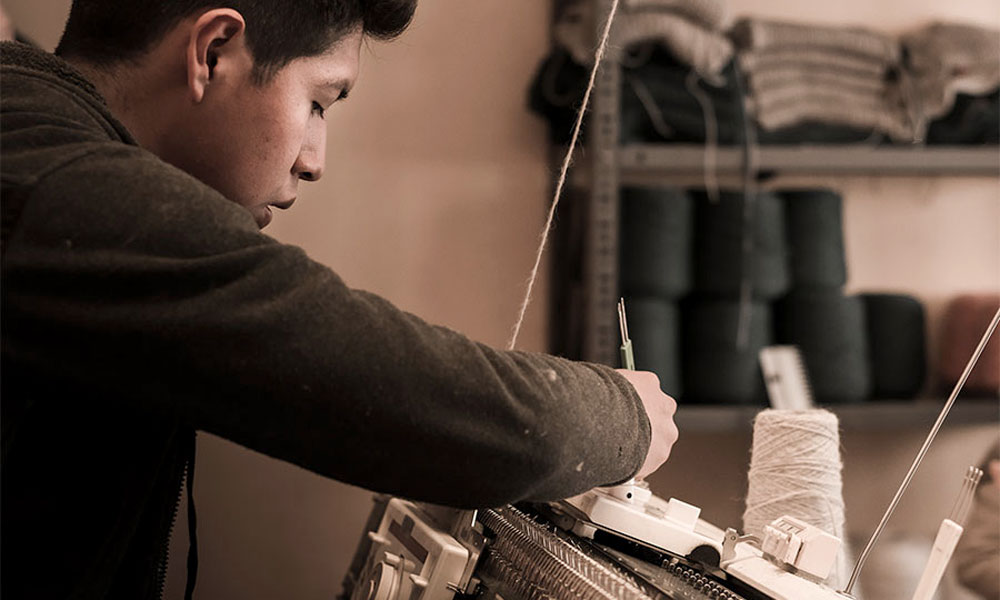
The knitters are carefully taught the patterns and styles, and they are quality checked by a fair-trade certified company with a team of Bolivian women.
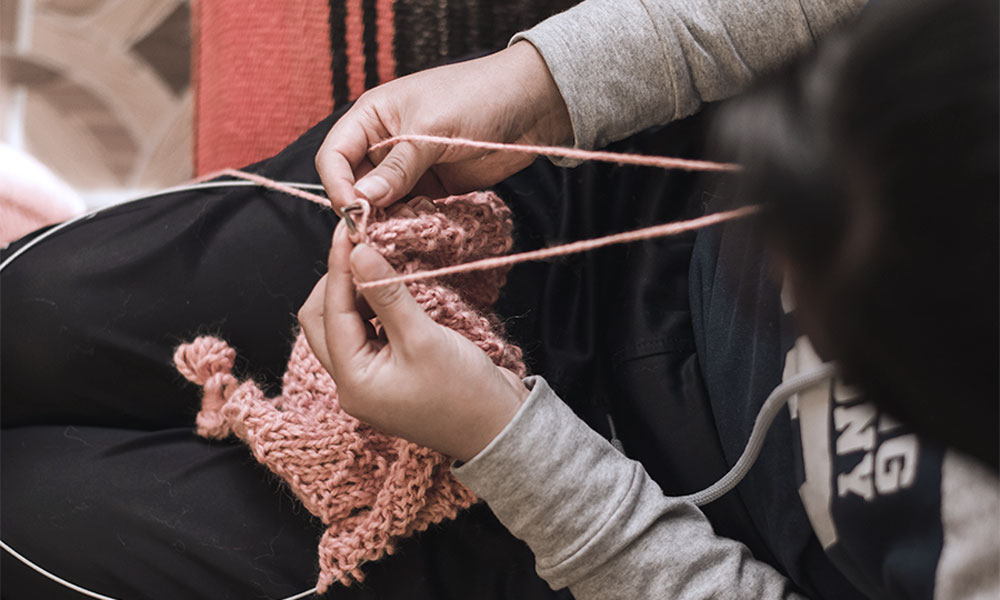
To preserve the wool’s softness and quality, we recommend airing or gentle cold hand wash.
Organic Merino Wool
Our new soft organic merino wool is fully GOTS certified and comes from merino sheep in Patagonia. The merino fiber is thin, non-itchy, absorbs moist and is breathable making it exceptional as a layer close to the skin. This wool and the entire production process is GOTS certified organic to guarantee that each garment is eco-friendly and made with thoughtfullness and care for you and our environment. Organic merino wool is wool from a merino sheep that follows strict organic farming standards. These sheep are raised without synthetic pesticides, herbicides, or genetically modified organisms (GMOs) on their grazing pastures. The sheep live under free-range conditions, have spacious indoor quarters, and there is minimal use of antibiotics and deworming.
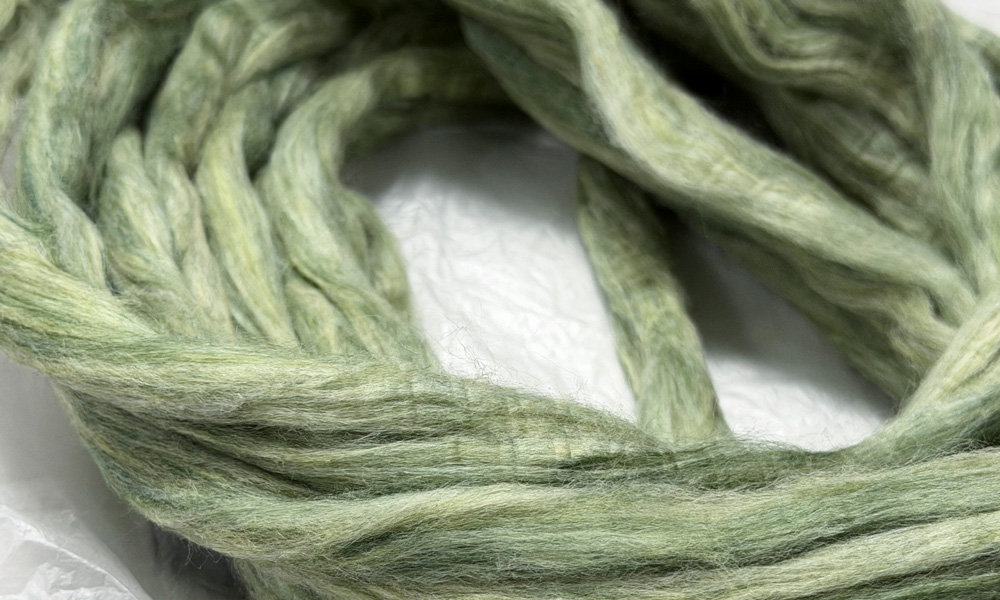
Our qualities are based on mélange dye, where fibers are coloured in several batches and colour tones, and then mixed before the actual yarn is spun. This makes for a smooth and softer quality as well as beautiful lasting colours.
Our organic merino wool garments are machine washable using an eco-friendly method by treating the wool with natural salts.
Enjoy our complete line of non-sesonal essential onesies, T-shirts and leggings in soft organic merino wool in five selected melange colours.
Ready to wear - The quality is soft to the touch and simply lovely.
